Reducing the Risk of Low Back Injury in Your Workplace
Cymru Kitchens – January 2026
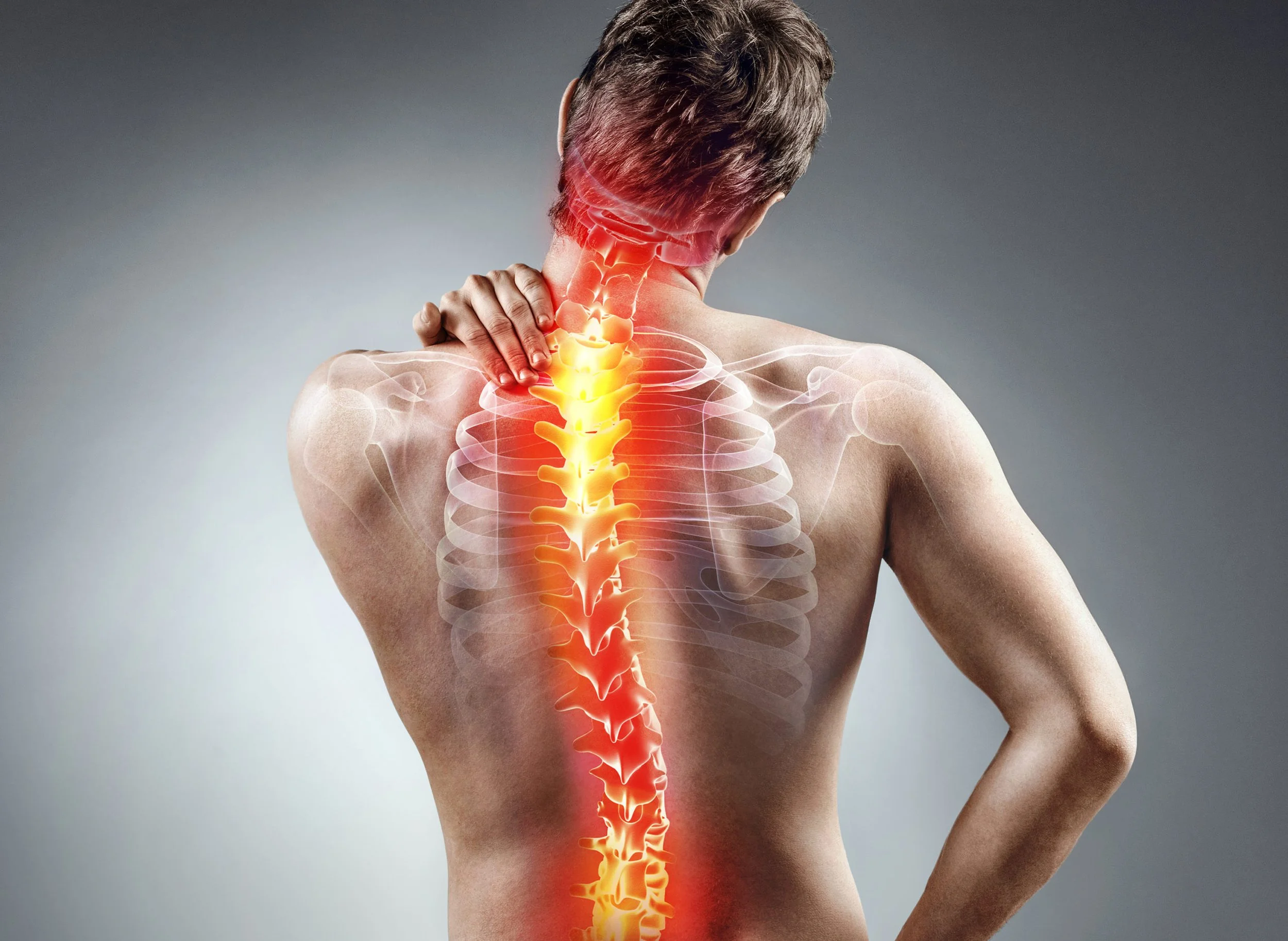
Low back injuries usually don’t come from one single movement. They develop over time due to our posture habits, how we move, how we load the spine, and recovery.
To protect your back, always be conscious of how you use it.
Everyday Spine-Sparing Habits:
Good movement, repeated daily, is great protection
Sitting:
Maintain your natural spine curves with your spine supported (use a lumbar support if you need to)
Your feet should be about hip width apart (some people are more comfortable with a wider stance)
Change position as often as you you need to
If using your phone or a computer screen - keep your device at eye level, chin in and look forwards not down.
Stand up at least every 50 minutes
Driving:
Adopt a similar comfortable position (as above) for you when driving.
Use a lumbar if necessary.
Hold the steering wheel with an ‘anti-shrug’ posture
Sit to Stand:
Bring your feet back underneath your knees
Put your hands on your thighs, look up and push through your thighs to stand up (‘sniffing the air’)
Use the squat technique to sit down and to stand up. Do not ‘roll’ through lumbar spine.
Standing:
Arms by side with palms facing lateral thighs. Draw shoulders down (anti-shrug) to relax upper back into neutral.
Achieve a perfect stacked spine with relaxed back muscles.
Gluteal muscles in full hip extension
Light abdominal brace (tension)
Feet about hip width apart (some people are more comfortable with feet wider & even with feet turned out)
Cervical spine neutral (chin in)- avoid looking down at computers/screens or phones etc
Relax unnecessary muscle tension
Avoid chin ‘poking’ and rounded shoulders
Walking:
Adopt an upright posture and swing the arms about the shoulders and take larger and faster steps.
It is one of the most fundamental activities inherent in our daily living and trains essential muscular slings that contribute to support the spine.
Basic Movement Tools:
Choose the most appropriate ‘spine-sparing movement tools to accomplish a task reduces the risk of back pain:
The lunge
The squat
The golfers lift
In the Workplace
1. Design work and tasks that facilitate variety.
Don’t do too much of any one thing. Both too much loading and too little are detrimental
Relief from cumulative tissue strain is accomplished with posture changes or better yet, other tasks that have different musculoskeletal demands
2. Keep spine power low. High power in the spine damages discs. Instead use your hips, which are designed to generate and sustain high power.
3. During all loading tasks avoid a fully flexed or bent spine and rotate the trunk using the hips. (Preserving a neutral curve in the spine)
4. During lifting choose a posture that keeps the external load close to the body. Use thighs or forearms to help support loads.
5. When pushing & pulling the key principle is to direct the force from the hands right through the navel. In other words draw a line either directly away or towards the centre of your core.
6. Use techniques (and appropriate equipment) that minimises the weight of the load being handled .
7. Balance loads between both hands. Carrying a load in one hand creates more spine load than carrying the same load in both hands
8. After prolonged sitting or stooping, spend time standing (or walk) before performing any strenuous exertions.
9. Avoid bending the spine or lifting immediately/shortly after rising from bed.
10. Prestress and stabilise the spine even during lighter tasks. Lightly contracting torso stabiliser muscles (there are specific exercises that train this) will stiffen the spine and reduce the risk of injury.
11. Avoid twisting your back while lifting something heavy.
12. Use momentum when exerting force to reduce the spine load rather than always lifting slowly and smoothly.
However this is a skill that needs to be developed. This strategy should NOT be used for heavy loads.
13. Avoid prolonged sitting. Stand up at least every 50 minutes.
14. Use good rest break strategies.
If you sit for work - move or stand up for rest
If you’re engaged in physical work - have more restful/seated breaks.
15. If a task feels risky or awkward, raise it. Injury prevention works best when everyone is involved.
16. Maintain a reasonable level of fitness