
Supporting Your Energy & Gut Health - A Practical Pantry Guide
Simple, adaptable foods that support everyday health — without complication
At the heart of my approach to food is a simple belief:
What we eat should provide us with both sustainable energy, whilst supporting our gut health which underpins all of our health markers and wellbeing. It should also taste delicious and fitting real life.
Fibre is essential to support both sustained energy and our gut health yet 97% of the UK don’t meet the recommendations for eating enough fibre - vegetables, legumes & wholegrains are essential to meet this)
This pantry is not about perfection. It’s about intentional choices, understanding why foods are on our plate, and using evidence-led nutrition to guide everyday meals.
1. Lentils & Pulses
Examples: lentils, chickpeas, beans
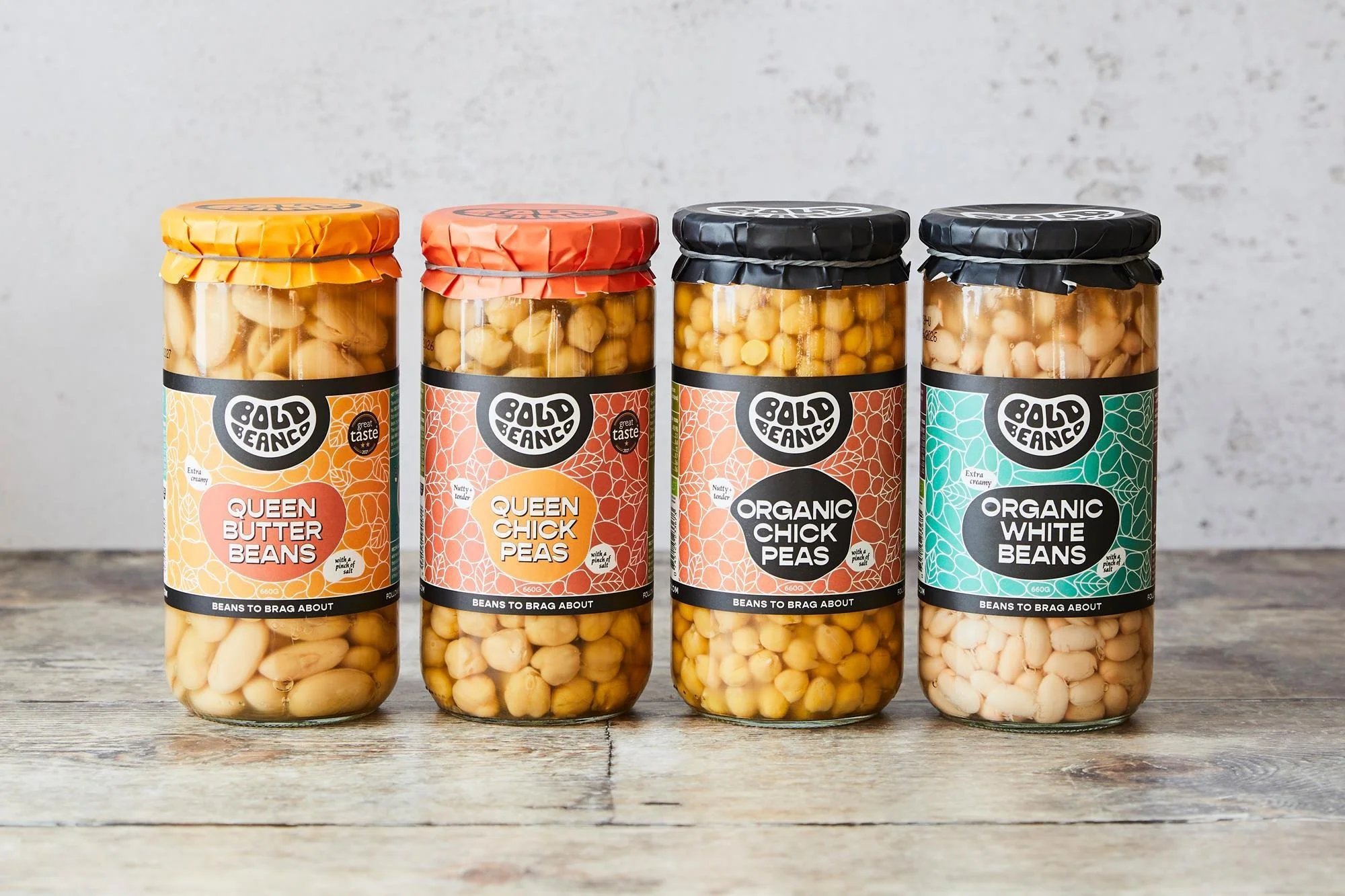
Merchant Gourmet – Tomatoey French Lentils (pouch)
Bold Bean Co - Queen Chickpeas
Bold Bean Co - Queen Carlin Peas
Bold Bean Co - Butter Beans
Ottolenghi × Bold Bean Co - Queen Black Chickpeas
Why they matter
High in fibre, feeding beneficial gut bacteria
Provide slow-release carbohydrates for steady energy
Contain plant protein and iron, supporting endurance and vitality
How to use
Add to lunches, supper, salads, stews, tray bakes, dips (hummus style) or grain bowls
Use pre-cooked options to save time without losing nutrition - take 1minute to heat in a microwave
If you do not currently eat many legumes, I do suggest adding them to your diet gradually. Some people’s gut can take time to get used to the extra fibre
2. Wholegrains
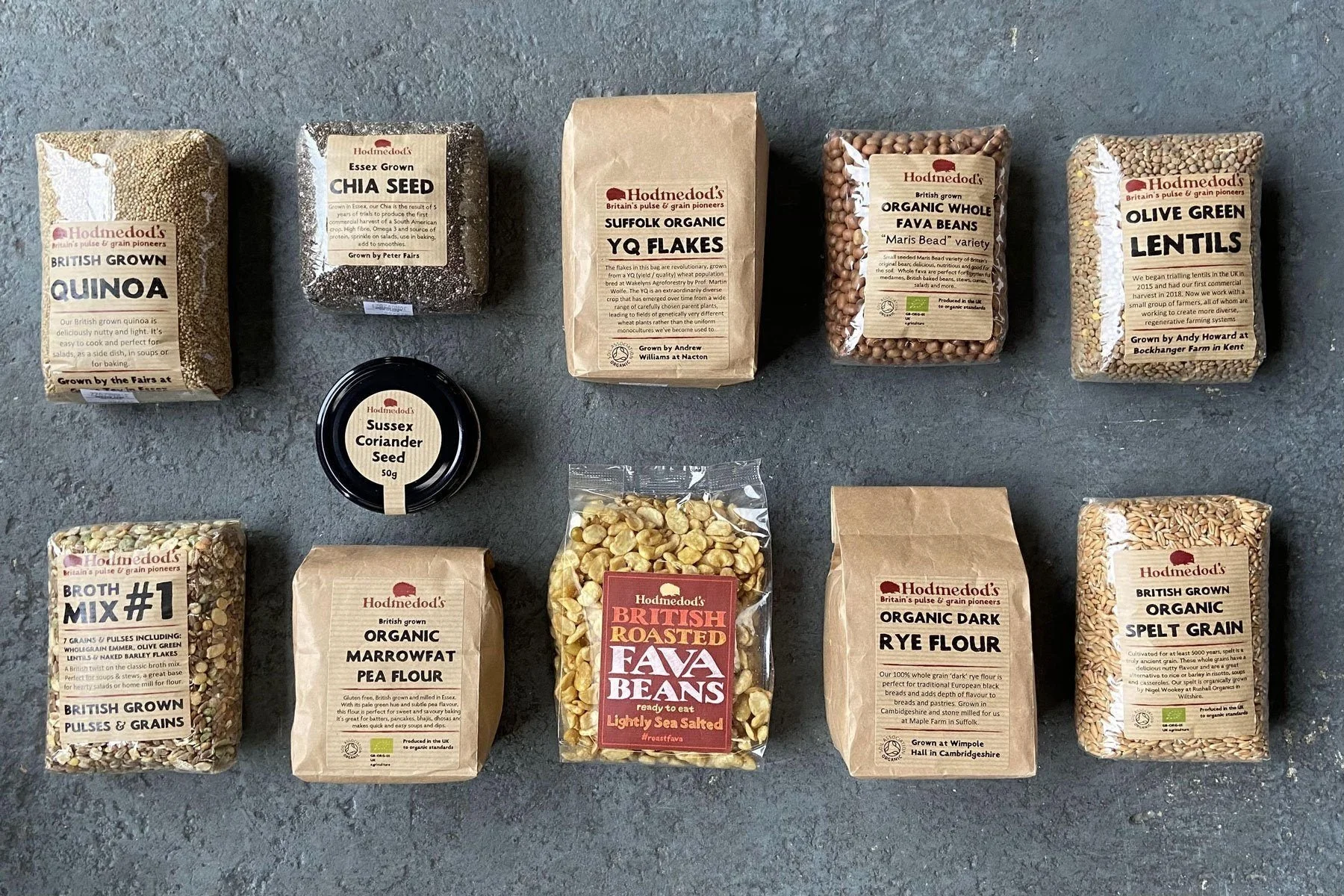
Examples: Pearl Barley, Spelt, Jumbo organic Oats, quinoa, wholewheat pasta, Rye Sodabread.
I used Hodmedods:
Emmer
Naked Spelt
Organic Pearled Barley
Organic Gluten-free Naked Oat Groats
Organic Rye grains
Why they matter:
Wholegrains support sustained energy - they are digested more slowly than refined grains.
Help to lower blood pressure, improved blood vessel health, reduced risk of heart disease
A combination of wholegrains & legumes provides us with the right amounts of all the essential amino acids required for protein intake
Contain nutrients that are often lost during refining, including: B-vitamins; Magnesium; Iron, zinc and selenium; protective antioxidants
How to use
Add to lunches, supper, salads, stews, tray bakes, or grain bowls
I cook a batch at the beginning of the week and keep them in an airtight container in the fridge for 3- 4 days to add to lunches and suppers.
Can be eaten hot or cold
3. Fermented Foods
Examples:
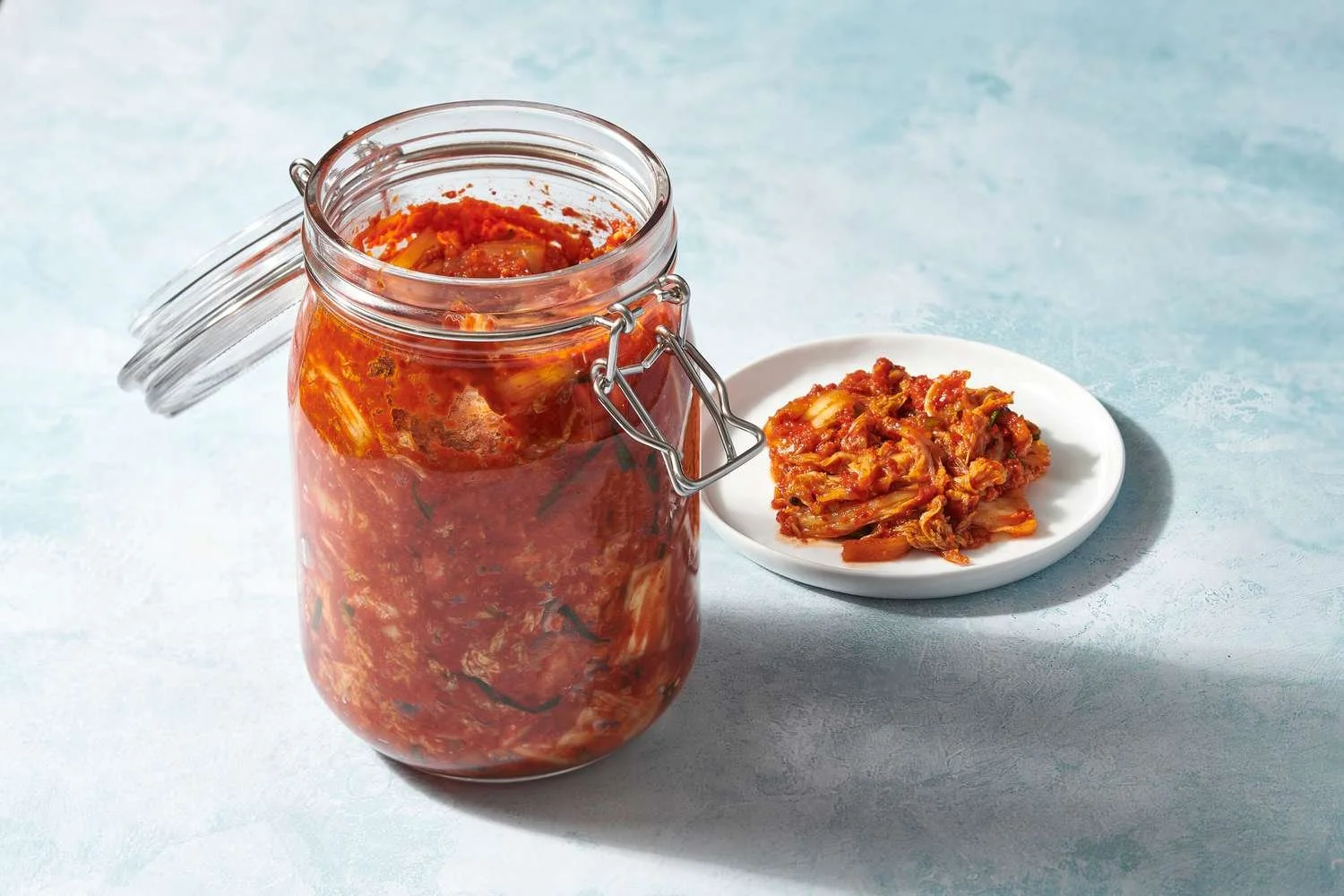
Kimchi, Sauerkraut (I use Eaten Alive),
Kefir (ones that use kefir grains or ‘cultured’ kefirs, AVOID ones artificially sweetened/flavoured)
Fermented condiments - Marmite, Miso (Organic MISO Tasty from Waitrose)*Note that Miso must not be heated above 30 degrees for it to retain its gut-boosting microbes., Soy Sauce (Kikkoman)
Why they matter
Support gut microbial diversity
Help maintain a healthy gut lining
Provide nutrients such as B-vitamins, essential for energy metabolism
Often linked to improvements in digestion, energy and mood
How to use
Small amounts regularly alongside meals (Kimchi and Sauerkraut)
Think of them as a flavourful addition, not the main event (Miso/Soy Sauce/Marmite)
Kefir - add to sauces and your morning yogurt?
4. Nuts
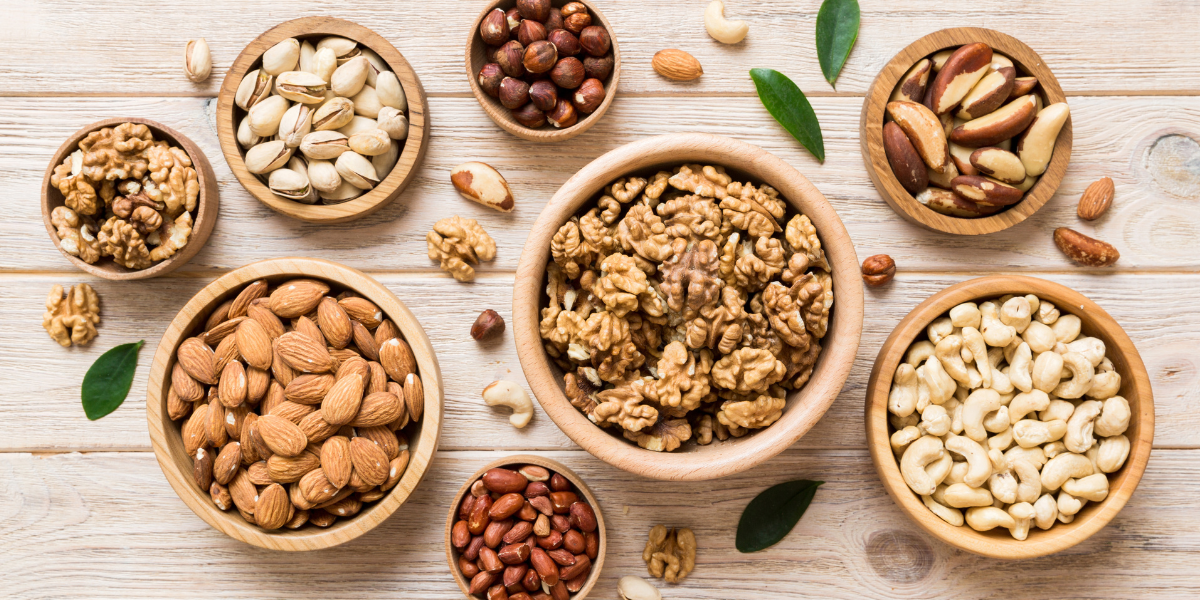
Examples: almonds, walnuts, cashews, hazelnuts, pistachios, pecans
Why they matter
Provide healthy fats for sustained energy
High in protein
Rich in magnesium, supporting muscles and energy production
Contain polyphenols that positively influence gut health
How to use
A small handful added to meals or snacks
Sprinkle over salads, vegetables or yoghurt
Nut butters - easy to make yourself in a blender for about 7 minutes
I roast a mix & store in a clip top jar (because I prefer the texture)
Remember we only absorb 60% of the calories if we eat them in their whole form
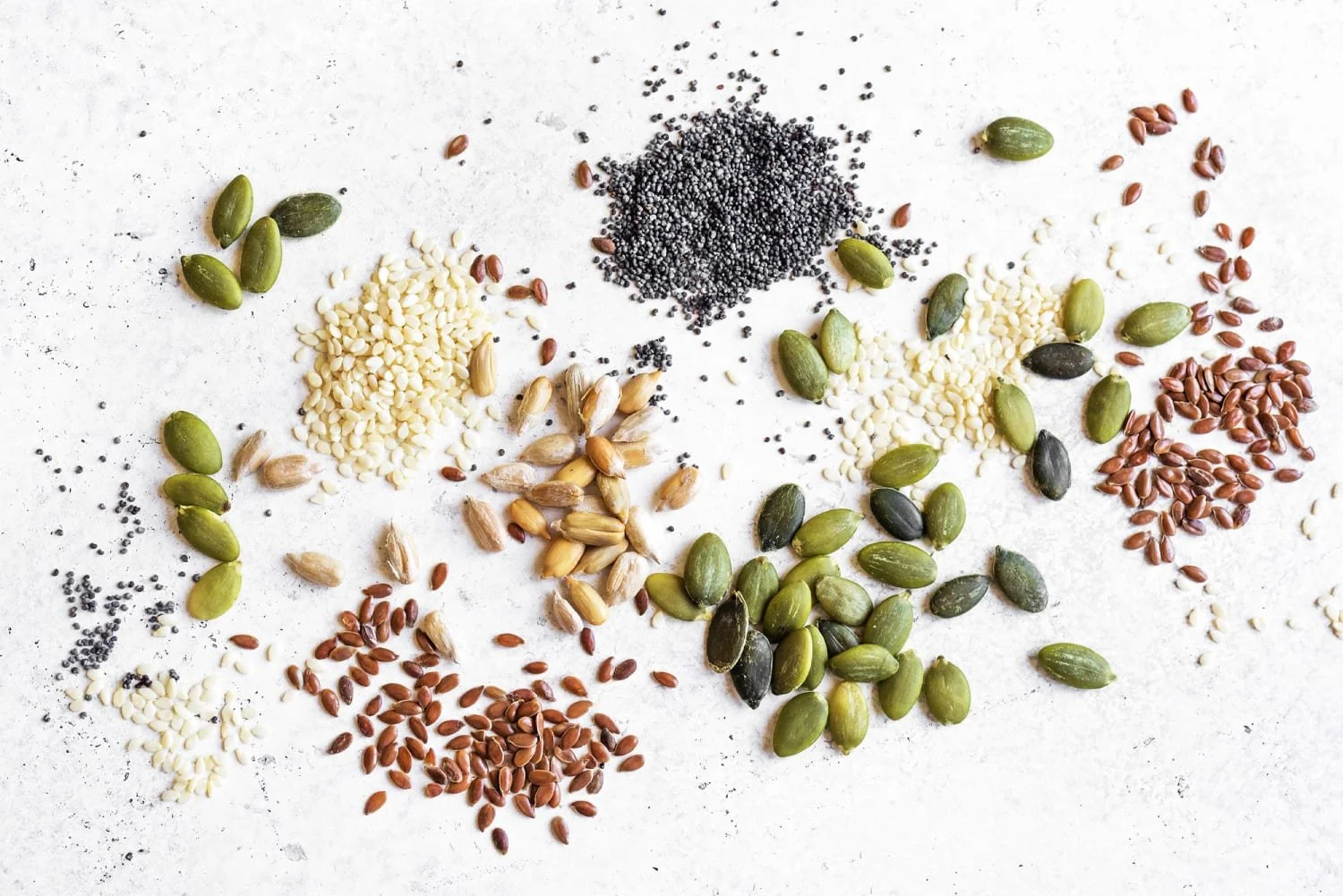
5. Seeds
Examples: pumpkin, chia, sunflower, sesame, flax (milled for absorption & whole to support bowel movements)
Why they matter
Excellent source of prebiotic fibre
Provide omega-3 fats, supporting inflammation control
Support bowel regularity and gut motility
How to use
Sprinkle daily on meals
Mix into breakfasts, salads or roasted vegetables
I roast a mix (because I prefer the texture) with some soy sauce for flavour) 7 store in a clip top jar
6. Spices & Flavour Pastes
Examples: Harissa, spice blends, garlic-based pastes
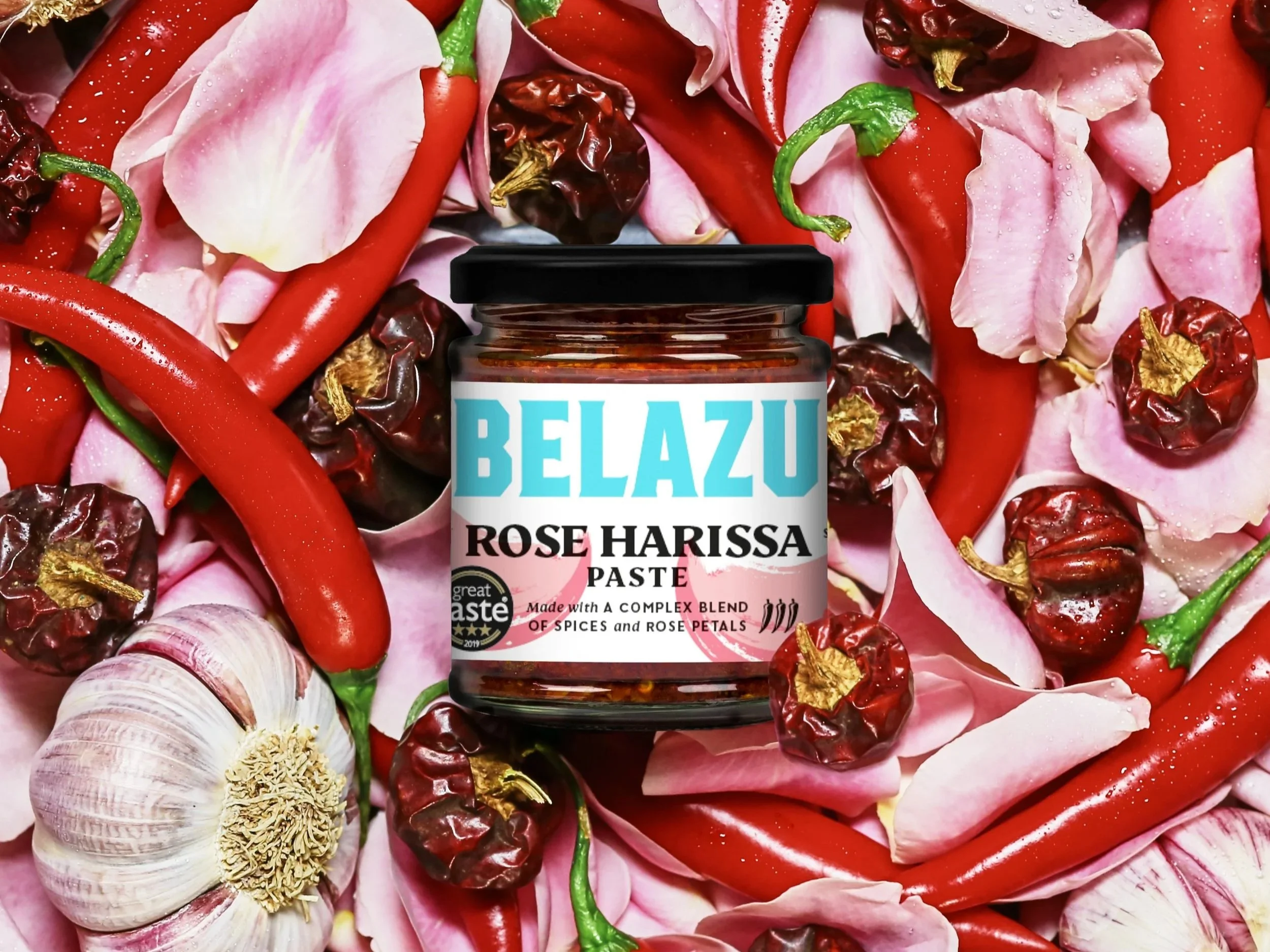
Belazu Rose Harissa Paste
Belazu Black Olive Tapenade
Ottolenghi Green Harissa (very fiery - great recipe on my website for an avocado dip)
The availability is endless
Why they matter
Contain bioactive compounds that support gut and metabolic health
Add depth and enjoyment to meals
Help reduce reliance on ultra-processed foods
How to use
Build flavour simply, without overcomplicating cooking
Adjust quantities to suit your own tastes
The Bigger Picture
What matters most is not following rules, but understanding choice.
When we understand the why behind our food, we’re empowered to:
Tweak or transform our diet with confidence
Support energy, gut health and long-term wellbeing
Eat in a way that is sustainable, flexible and enjoyable
Because food should nourish us and it should always be a pleasure.
References:
Food for Life - Tim Spector
Ferment - Tim Spector
Why we Eat (Too much) - Dr Andrew Jenkinson
The Blue Zones Solution: Eating and Living Like the World’s Healthiest People - Dan Buettner
Plant Power PLUS - Dr Will Bulsiewicz